In an era where environmental consciousness is no longer a niche interest but a global imperative, the choices we make in our daily lives carry more weight than ever. From the food we eat to the clothes we wear, every purchase is a vote for the kind of world we want to live in. This is especially true for the items we bring into our homes. For decades, wood has been the undisputed king of materials for furniture, flooring, and kitchenware, celebrated for its beauty and durability. However, a formidable and far more sustainable challenger has emerged: bamboo. As consumers and businesses alike seek greener alternatives, the debate between bamboo and wood has intensified. This shift is especially noticeable in the kitchenware market, where a reliable bamboo cheese board supplier is now valued not just for product quality, but for their commitment to sustainability. To truly understand why bamboo is rapidly becoming the preferred material for the eco-aware, we need a detailed, side-by-side comparison across the most critical environmental and economic metrics.
Table of contents:
Growth Cycle and Renewability: The Speed of Sustainability
Farming Practices and Land Use: A Smaller Footprint
Carbon Sequestration and Climate Impact: The Planet’s Green Lungs
Post-Harvest Ecological Impact: Regeneration vs. Devastation
Agricultural Inputs and Pollution: A Naturally Clean Choice
Socio-Economic Benefits: Empowering Communities
End-of-Life Utility and Waste Management: A Circular Approach
Environmental Certifications and Global Recognition: The Seal of Approval
The most fundamental difference between bamboo and wood lies in their very nature and the time it takes for them to become harvestable resources. Bamboo is not a tree; it is a member of the grass family. This biological classification is the key to its incredible renewability. Bamboo belongs to the grass family, which allows it to regenerate quickly after harvesting without needing to be replanted. Certain species of bamboo can grow astonishingly fast, with some varieties reaching up to three feet in a single day under the right conditions. Unlike hardwood trees that can take decades to mature, bamboo reaches full maturity and hardness in just three to five years, making it an exceptional resource for sustainable materials and products. Its rapid growth and resilience contribute to its status as one of the most eco-friendly plants on the planet.
Contrast this with traditional hardwoods like oak, maple, or walnut. These magnificent trees can take anywhere from 20 to over 100 years to reach a size suitable for harvesting. This vast disparity in growth cycles has profound implications for resource management. The rapid replenishment of bamboo means it can be harvested annually without depleting the source. This relieves immense pressure on the world’s forests, which are already shrinking at an alarming rate due to logging for conventional wood. Choosing bamboo is a direct vote for a resource that can keep pace with human demand without destroying ancient ecosystems.
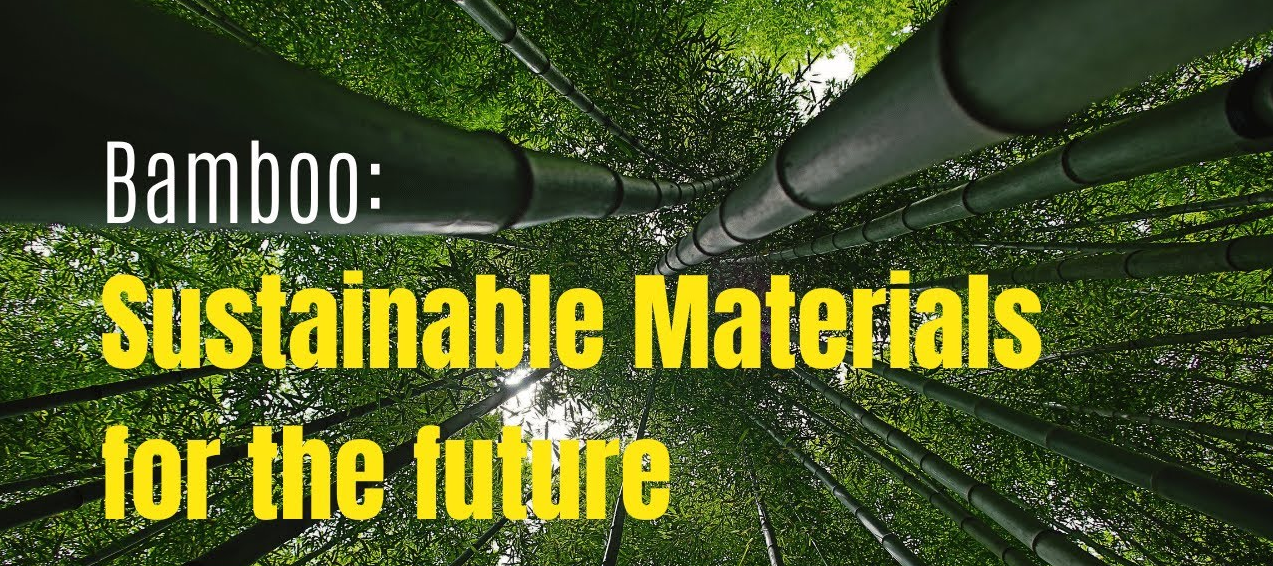
The way these two resources are cultivated further separates them on the sustainability spectrum. Bamboo forests, or groves, are remarkably efficient in their use of land. They grow in dense clusters, and their complex underground root system, known as rhizomes, constantly sprouts new shoots. This means bamboo can be grown on marginal land, steep slopes, and even in areas with degraded soil. In fact, its extensive root network helps to bind the soil, preventing erosion and aiding in land restoration.
Traditional forestry, on the other hand, often requires vast, managed tracts of land. While sustainable forestry practices exist, they are complex and slow. The cycle of clear-cutting and replanting takes decades to complete, leaving the land vulnerable during the initial recovery phase. Bamboo’s ability to thrive in diverse conditions and its high yield per acre make it a far less demanding crop, allowing more land to be preserved for natural wilderness or other agricultural needs.
One of the most compelling arguments for bamboo is its incredible power as a climate-fighting tool. All plants absorb carbon dioxide through photosynthesis, but bamboo is a superstar performer. Due to its rapid growth rate, a bamboo grove can absorb significantly more CO2 from the atmosphere per unit area than a young forest of trees. Studies have shown that bamboo can sequester up to twice as much carbon as many tree species.
Simultaneously, it releases over 30% more oxygen into the atmosphere. This makes bamboo groves powerful carbon sinks, actively helping to mitigate the effects of climate change by pulling greenhouse gases out of the air. While mature forests are vital carbon stores, the conversion of carbon in a young, growing bamboo plant is far more efficient than in a slow-growing hardwood tree over the same period.
What happens after harvesting is just as important as the growth cycle itself. When a bamboo stalk, or culm, is cut, the plant does not die. The extensive rhizome root system remains alive and intact underground. It will simply send up a new shoot in its place, often in the very next growing season. This process requires no tilling or replanting, and the soil ecosystem is left undisturbed. The integrity of the soil is maintained, preventing erosion and preserving the habitat for microorganisms.
Conversely, when a tree is logged, the entire organism is killed. Its root system dies and begins to decay, and the soil is exposed and destabilized. This can lead to severe soil erosion, runoff into waterways, and a complete loss of habitat for the countless species that relied on that tree for shelter and food. The ecological disruption from felling a single tree is immense compared to the gentle, regenerative harvest of a bamboo stalk.
Bamboo is a naturally hardy and resilient plant. It possesses a unique antibacterial and antifungal agent called bamboo-kun, which helps it resist pests and pathogens. As a result, bamboo cultivation almost never requires the use of pesticides or chemical fertilizers. Furthermore, it is a water-efficient crop that rarely needs artificial irrigation, often relying solely on natural rainfall. This lack of chemical inputs means cleaner soil, cleaner water, and a healthier surrounding environment.
In contrast, commercial forestry, especially for monoculture tree farms, can involve the use of pesticides to control insects and herbicides to manage competing undergrowth. These chemicals can seep into the groundwater and surrounding ecosystems, contributing to water pollution and harming local wildlife. Bamboo’s ability to thrive naturally makes it an inherently cleaner agricultural product.
The bamboo industry offers significant social and economic advantages, particularly in developing nations across Asia, Africa, and Latin America. As a fast-growing cash crop, it provides a reliable and sustainable source of income for millions of rural farmers and artisans. The entire supply chain, from cultivation and harvesting to processing and manufacturing, creates jobs and stimulates local economies. It fosters a green economy that connects traditional craftsmanship with modern manufacturing, empowering communities to build a prosperous future based on a resource that also heals the planet.
Bamboo’s versatility extends to its entire lifecycle. During processing, very little of the plant goes to waste. The main stalks are used for construction, flooring, and creating products like cutting boards. The leftover material, such as sawdust and shavings, can be compressed into composite boards or used to create pulp for paper and even soft, durable textiles. This circular approach to resource utilization minimizes waste and maximizes the value extracted from each harvest. Wood processing also has systems for using byproducts, but the sheer volume and slower decomposition rate of wood waste can present greater management challenges.
The global community has taken notice of bamboo's superior environmental credentials. Leading sustainability certification bodies, such as the Forest Stewardship Council (FSC), have developed standards specifically for bamboo products. When you see an FSC logo on a bamboo item, it serves as a guarantee that the material was sourced from a responsibly managed, environmentally conscious, and socially beneficial plantation. This global recognition has solidified bamboo’s reputation as a premium sustainable material, making it a favored choice for architects, designers, and manufacturers worldwide who are committed to eco-friendly practices.

When all factors are considered, the verdict is clear. From its rapid regeneration and minimal land use to its superior carbon absorption and positive ecological impact, bamboo comprehensively outperforms traditional wood as a sustainable resource. It is not just a material; it is a solution. It represents a shift toward a more circular and regenerative way of thinking, where the products we use actively contribute to the health of our planet rather than depleting it.This comprehensive understanding of sustainability is what guides brands dedicated to responsible sourcing. When you are looking for premium bamboo cheese board wholesale options or a single beautiful piece for your home, choosing a company that prioritizes these values makes a difference. Brands like Square Bamboo exemplify this commitment, crafting beautiful, durable products from this remarkable resource, allowing consumers to bring a piece of sustainable elegance into their lives without compromise.